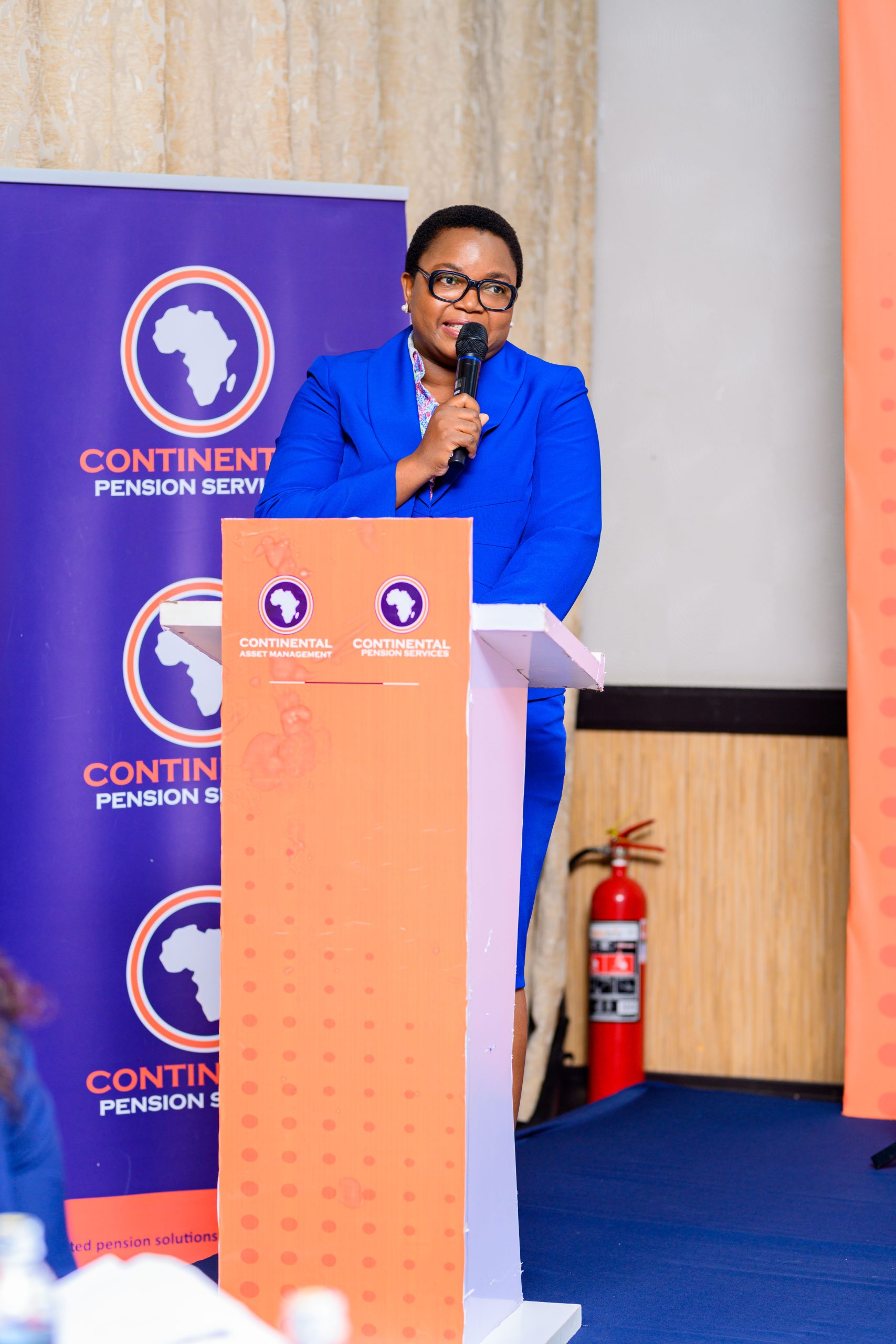
CAM CEO Gillian Kachikondo delivering her welcome remarks
Continental Asset Management (CAM) and Continental Pension Services (CPS), subsidiaries of Continental Holdings Limited (CHL), hosted a thought-provoking Pension Working Breakfast in Blantyre on Friday 29th May 2026 under the theme “From accumulation to decumulation: What happens after the final paycheck?”
The event brought together key stakeholders in Malawi’s pensions ecosystem, including the regulator, the Reserve Bank of Malawi, fund managers (CAM), pension administrators (CPS), pension fund Trustees, HR professionals and retirees, to reflect on retirement preparedness and the realities of life after formal employment.
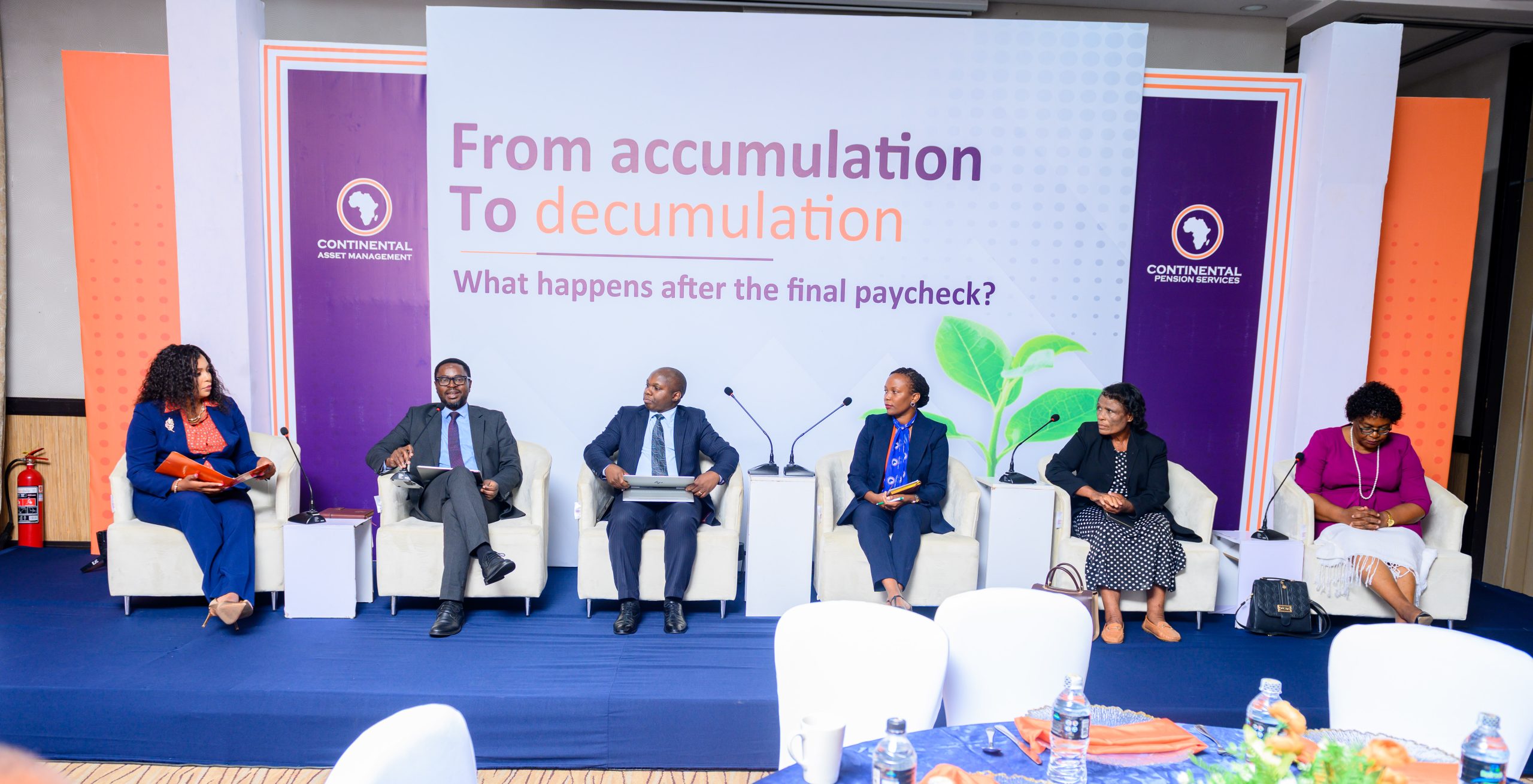
The panelists in action
Retirement is inevitable, preparation matters most.
A main highlight from the keynote address, delivered by retired financial expert Patrick Mhango, was the powerful reminder that retirement is inevitable for everyone, but a successful retirement outcome does not depend solely on how much one earned during their working life. Rather, it is largely determined by how well one prepared for retirement over time.
Mhango emphasized that retirement planning should begin from the very first paycheck, encouraging individuals to adopt a long-term mindset early in their careers.
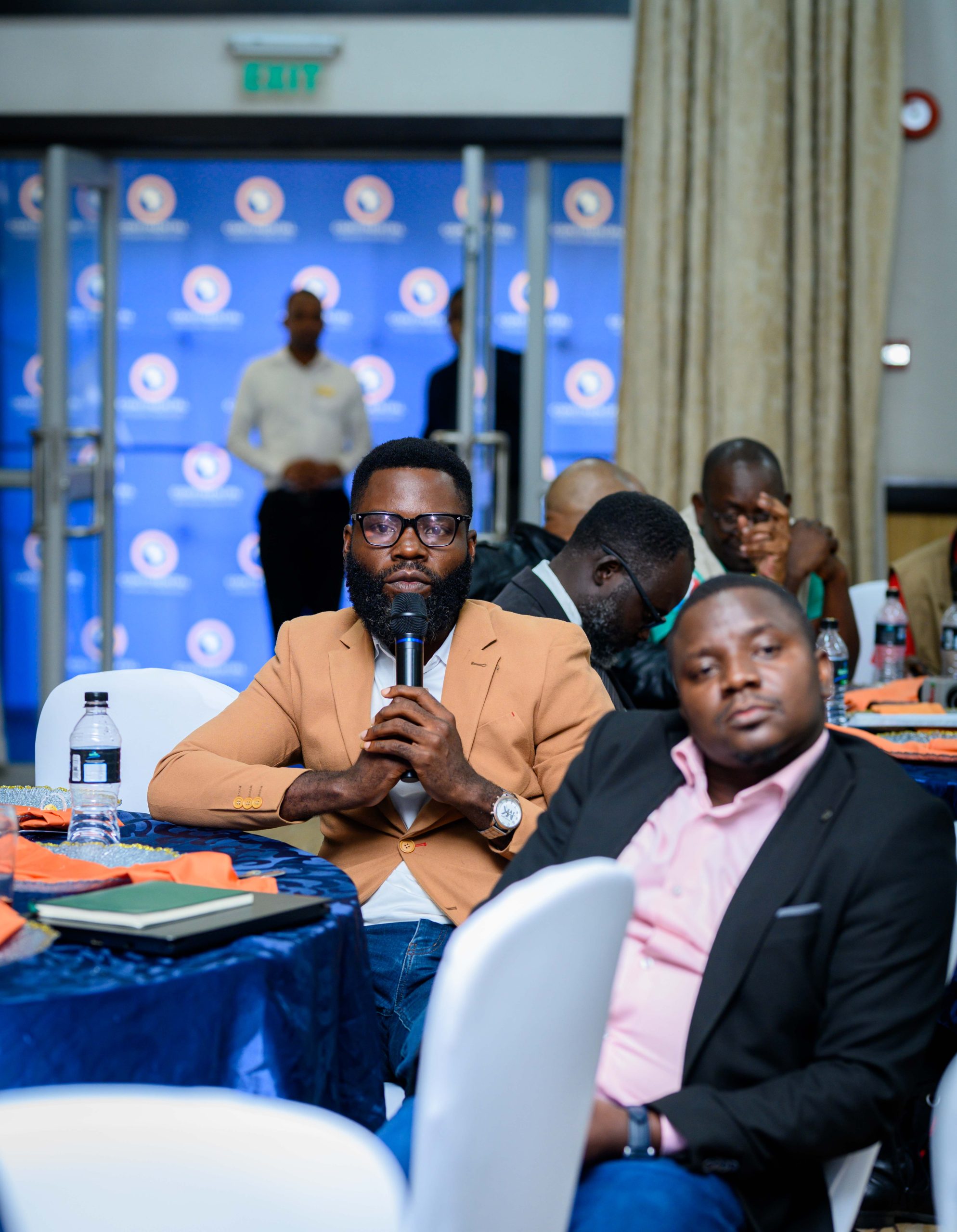
Part of the Q and A session
Continental views pensions as a pathway to a secure and meaningful retirement.
Speaking during the event, CAM CEO Gillian Kachikondo emphasized that the Continental Group views pensions as more than just a financial product. She noted that pensions are a critical tool for ensuring that individuals enjoy a secure, stable, and meaningful retirement after years of contributing to the economy and their communities. She reiterated the Group’s commitment to promoting financial literacy, retirement preparedness, and long-term financial wellbeing, enabling more Malawians to retire with dignity, independence, and peace of mind.
Starting early and planning beyond the pension
During the panel discussion, the speakers — including RBM Director (PISU) Kaluso Chihana, CAM Senior Research and Investments Manager James Mbingwa, CPS Pension Services Manager Makhumbo Chikaonda, and retirees Evarista Chafulumira and Ida Suliwa — underscored that while pension schemes play a critical role in retirement security, they are often not sufficient on their own to guarantee a comfortable and dignified retirement.
Participants were encouraged to begin building supplementary retirement provisions while there is still time, including additional savings and investment options that can help bridge the gap between pension income and actual post-retirement needs. The discussion reinforced the importance of intentional financial planning that goes beyond mandatory contributions.
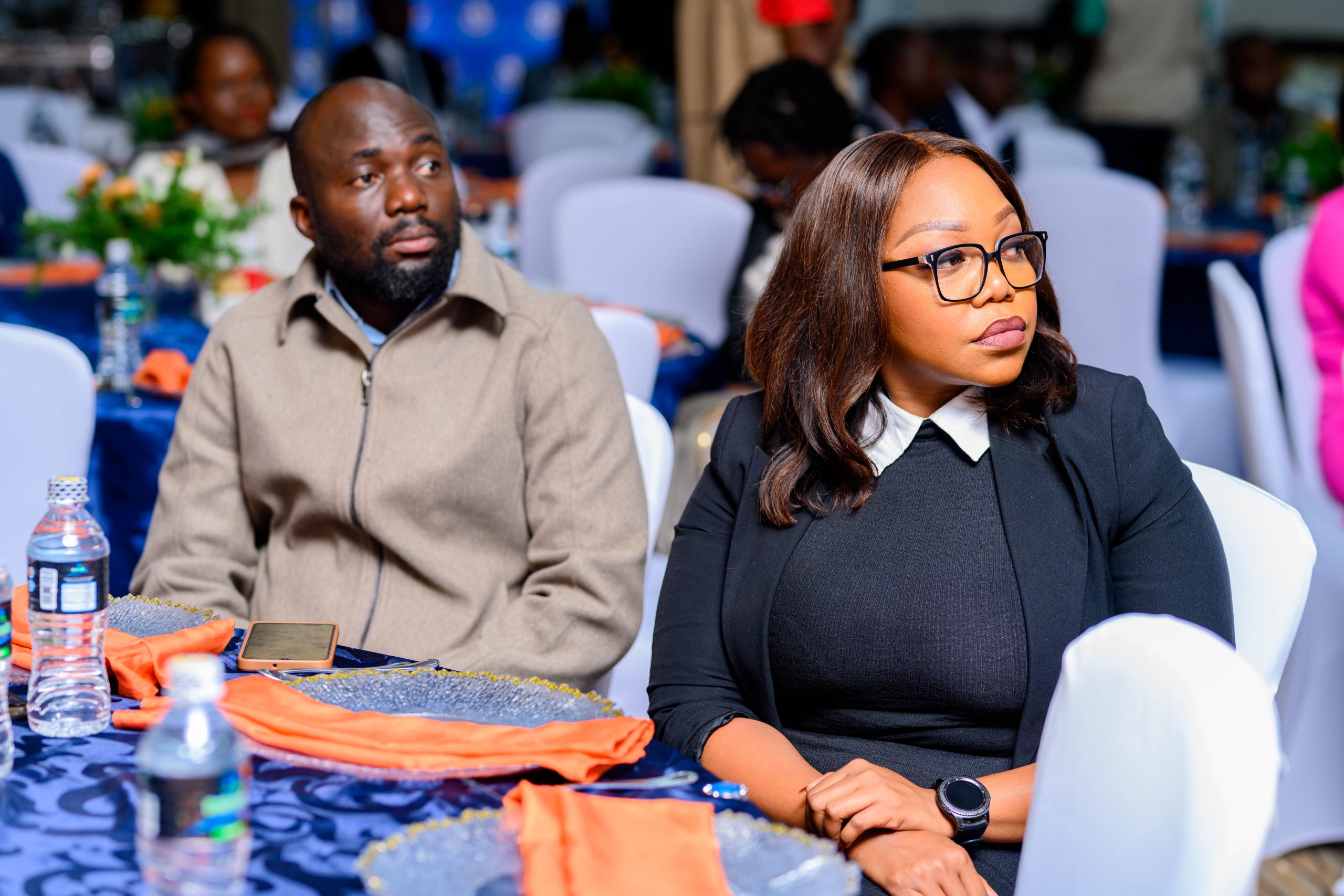
Lived experience: Lessons from retirees
Retirees on the panel, Evarista Chafulumira and Ida Suliwa, shared powerful personal experiences about life after employment. Their insights highlighted several practical realities, including:
- The importance of living modestly and within means — stating that this is not the time to buy a new car or start a new business that you are not familiar with.
- The need to secure adequate medical cover for retirement years, as health issues tend to escalate with age.
- The challenge of managing family expectations and financial requests.
- The importance of adjusting lifestyle expectations after income stops.
Their testimonies brought a human dimension to the technical discussions, grounding the conversation in real-life experience.
Financial literacy gaps and engagement challenges
The service providers CAM and CPS highlighted a recurring challenge in the sector: low attendance at financial literacy sessions. A common reason is the perception among many workers that they still have “enough time” before retirement planning becomes urgent. This mindset often delays critical financial decisions, leaving individuals underprepared as they approach retirement age.
System challenges: Compliance and contributions
The regulator and industry stakeholders also raised important concerns affecting pension outcomes, including instances where employers fail to remit pension contributions on time or in full. The role of the regulator was emphasized as critical in ensuring compliance, protecting members’ savings, and maintaining the integrity of the pension system.
Another key risk discussed was longevity risk — the possibility of outliving one’s pension savings. To address this, stakeholders highlighted the importance of making voluntary contributions through pension administrators, enabling members to strengthen their retirement funds beyond mandatory contributions.
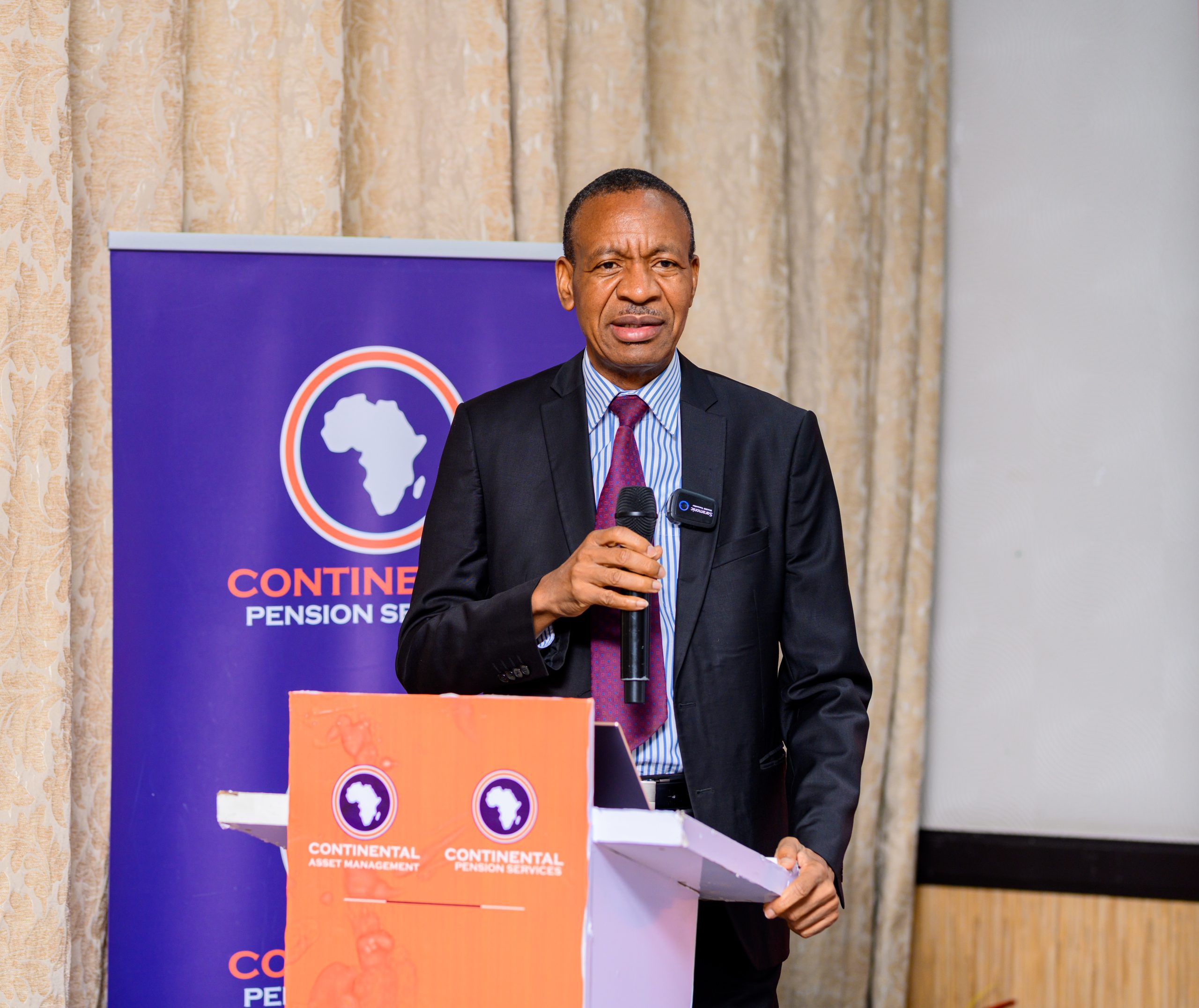
Retirement is inevitable key note speaker Patric Mhango
A call for early and consistent action
The overarching message from the Pension Working Breakfast was clear: retirement planning is not a distant concern, but a lifelong responsibility. From starting with the first paycheck, to making supplementary contributions, to engaging actively in financial literacy programmes, individuals are encouraged to take proactive steps toward securing a dignified and financially stable retirement.
Conclusion
The Pension Working Breakfast successfully created a platform for meaningful dialogue on Malawi’s retirement landscape. It reinforced the shared responsibility among regulators, industry players, employers, and individuals in shaping better retirement outcomes.
As the conversation continues, one message stands out clearly: a dignified retirement is not accidental. It is planned, prepared for, and protected over time.